Mudjacking in Denver, CO
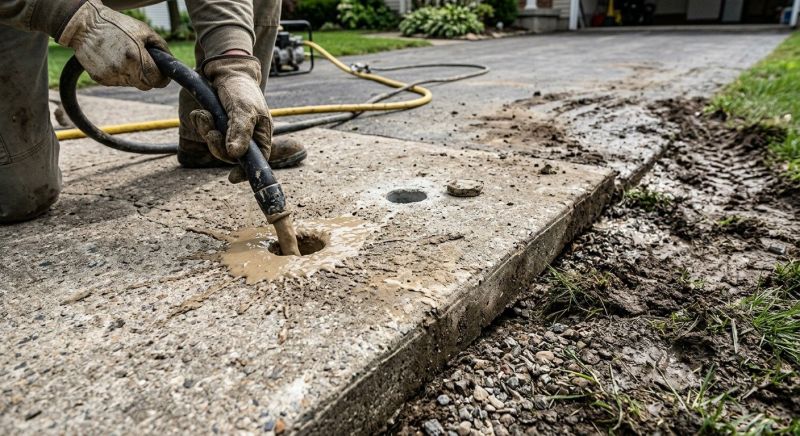
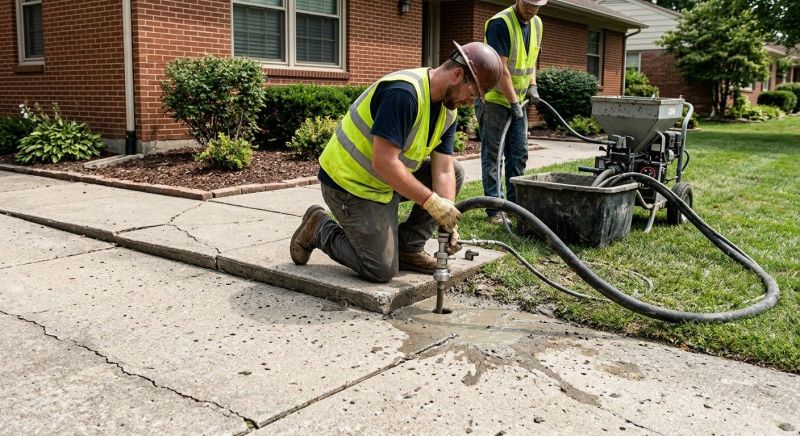
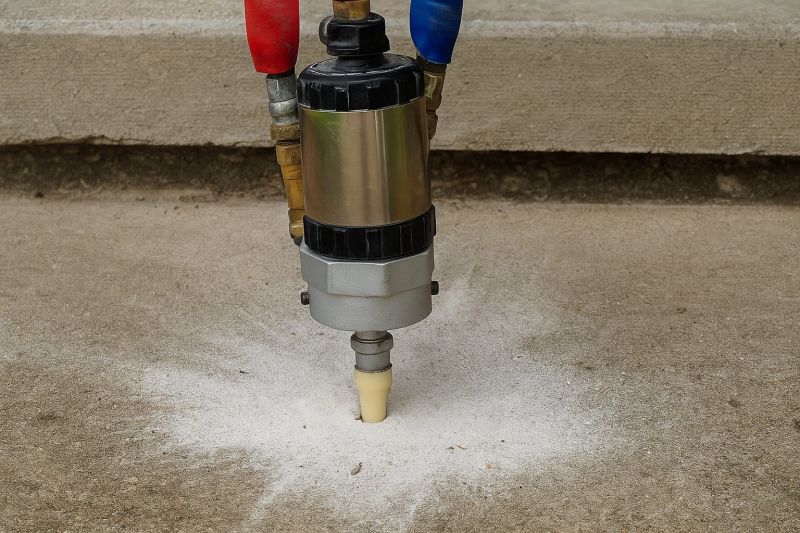
Mudjacking services involve the process of lifting and leveling uneven concrete surfaces by injecting a specialized mixture beneath the slab. This technique is commonly used for projects such as driveways, sidewalks, patios, garage floors, and other concrete structures that have sunk or shifted over time. Property owners typically seek mudjacking when they notice uneven surfaces, cracks, or tripping hazards, aiming to restore stability and improve the appearance of their property.
Before requesting mudjacking, homeowners should consider the extent of the sinking or settling, as well as the condition of the existing concrete. It’s important to understand that mudjacking is most effective for concrete that has settled due to soil movement but remains structurally sound. Accurate assessment of the area can help determine if mudjacking is suitable or if other repair methods might be necessary. Contacting a professional for an evaluation can provide clarity on the best approach for restoring level surfaces and preventing further settling.
Many property owners in Denver, CO look into Mudjacking for repairs, replacements, upgrades, and appearance-related improvements.
Benefits Of Mudjacking
Restores level surfaces and prevents further settling of concrete slabs.
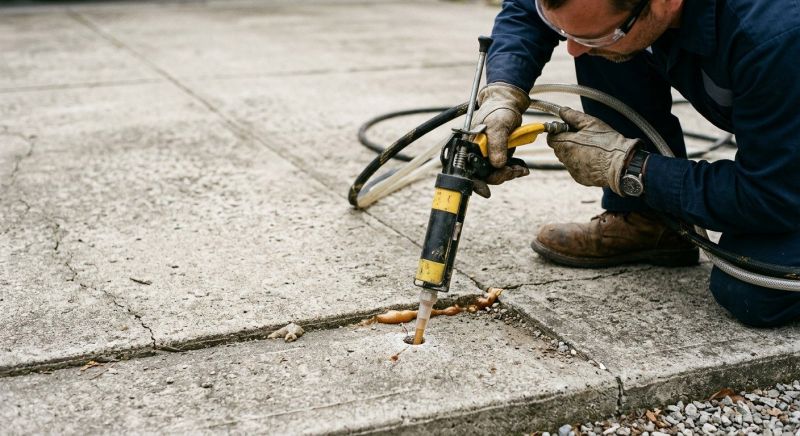
Common Projects
Ideal for repairing uneven driveways, sidewalks, and garage floors in denver homes.
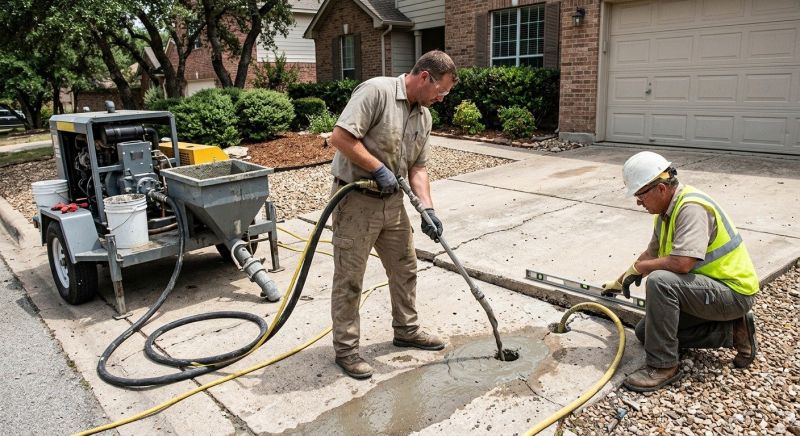
Signs Of Settlement
Noticeable cracks, uneven surfaces, or water pooling may indicate the need for mudjacking.
Mudjacking in Denver, CO

Mudjacking services involve the process of lifting and leveling uneven concrete surfaces by injecting a specialized mixture beneath the slab. This technique is commonly used for projects such as driveways, sidewalks, patios, garage floors, and other concrete structures that have sunk or shifted over time. Property owners typically seek mudjacking when they notice uneven surfaces, cracks, or tripping hazards, aiming to restore stability and improve the appearance of their property.
Before requesting mudjacking, homeowners should consider the extent of the sinking or settling, as well as the condition of the existing concrete. It’s important to understand that mudjacking is most effective for concrete that has settled due to soil movement but remains structurally sound. Accurate assessment of the area can help determine if mudjacking is suitable or if other repair methods might be necessary. Contacting a professional for an evaluation can provide clarity on the best approach for restoring level surfaces and preventing further settling.
Many property owners in Denver, CO look into Mudjacking for repairs, replacements, upgrades, and appearance-related improvements.
Common Mudjacking Jobs
Foundation Repair - mudjacking can stabilize uneven or sinking concrete slabs around homes.
Sidewalk and Driveway Leveling - restores flatness to walkways and driveways for safety and appearance.
Garage Floor Repair - lifts and levels garage floors affected by settling or cracking.
Patio and Pool Decks - corrects uneven surfaces to prevent tripping hazards and improve usability.
Concrete Slab Raising - raises sunken concrete to restore proper slope and drainage.
Basement and Crawl Space Floors - helps address uneven floors caused by soil settlement or moisture issues.
Mudjacking Questions
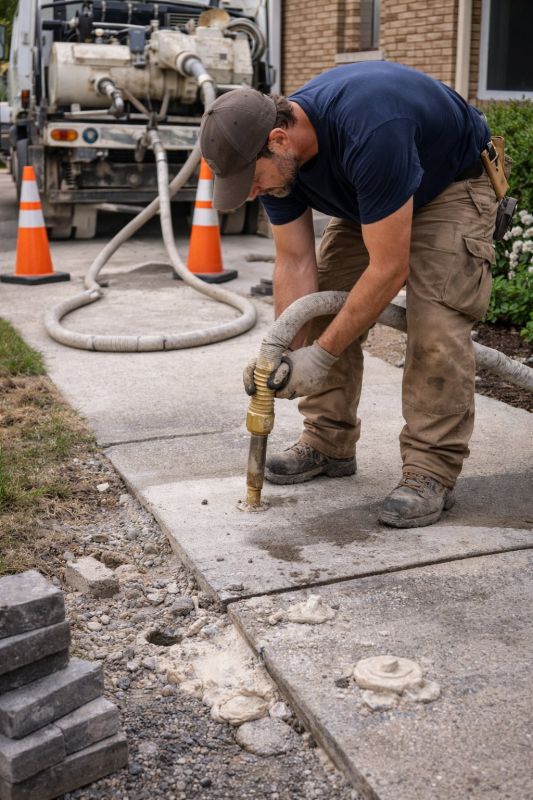
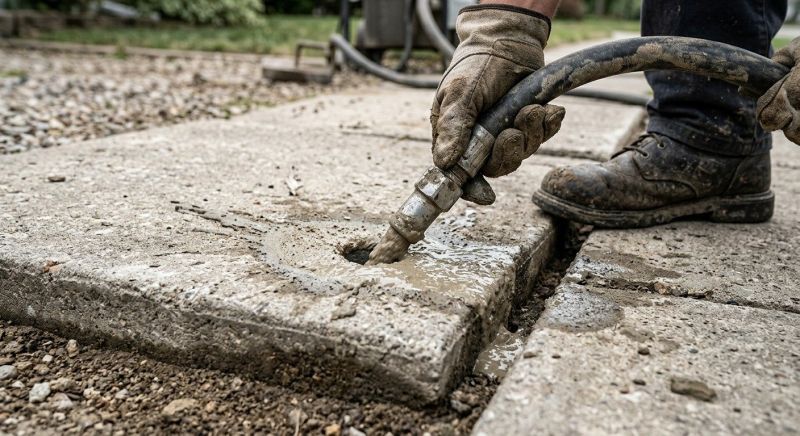
What is mudjacking? Mudjacking is a process that lifts and stabilizes sunken concrete by injecting a mixture beneath the surface.
Which types of concrete surfaces can be mudjacked? It is commonly used on sidewalks, driveways, patios, and garage floors that have settled or cracked.
How does mudjacking improve a property’s appearance? It restores level surfaces, reducing tripping hazards and enhancing curb appeal.
Is mudjacking a suitable solution for all concrete problems? It is effective for uneven or sinking slabs caused by soil settling but may not be suitable for severely cracked or damaged concrete.
Request Mudjacking in Denver, CO
Use the quote form on this page to share the basics of your project and request more information for the type of work you need.